

.webp)



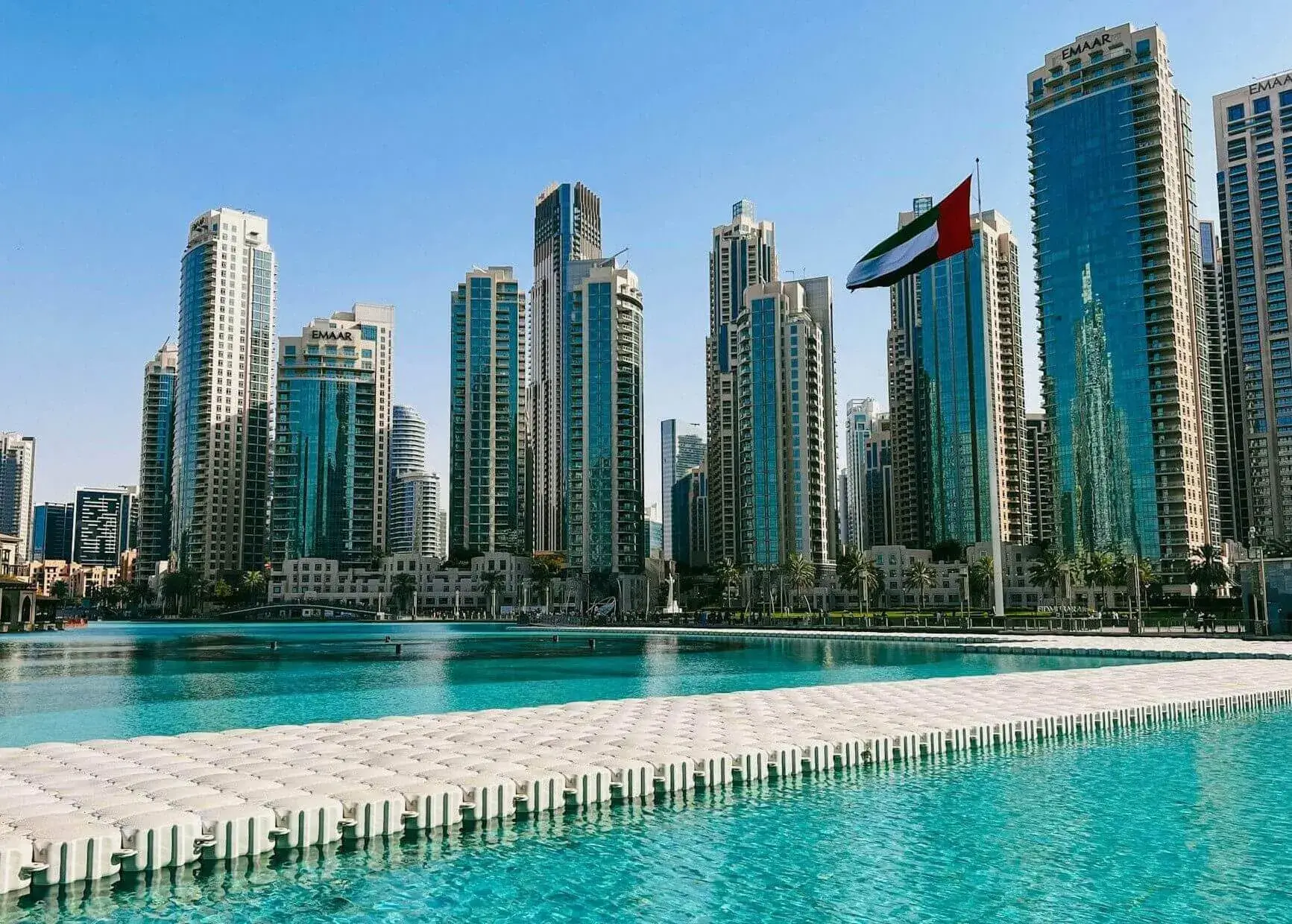
10 Key Considerations Before Buying Property in Dubai
Dubai, a global city that seamlessly blends tradition and modernity, has emerged as a premium destination for
property investment. With its tax-free environment, world-class infrastructure, and thriving economy, the
emirate has attracted investors from around the world seeking money-making real estate opportunities.
As you head on your travel to buy properties in Dubai, it's crucial to navigate the market with a well-informed
strategy. This comprehensive guide lets you help with 10 key considerations before making your investment
decision.
Understanding the Dubai Real Estate Market
The market offers a diverse range of Dubai properties to cater to various preferences and budgets. From a wide
range of luxurious waterfront villas to contemporary apartments, the city's skyline is a testament to its
architectural originality and investment potential.
As an investor, it's essential to grasp the market's hints, trends, and proper regulations to make a savvy
decision. With a serious sense of the local real estate landscape, you'll be better positioned to identify prime
investment opportunities and mitigate potential risks.
10 Key Considerations
1. Location: Choosing the Right Area in Dubai
Great Locations give you a better lifestyle and these locations are pillars of any successful property
investment in Dubai. The emirate is divided into separate neighbourhoods, each offering unique advantages and
catering to specific lifestyles. From the vibrant Downtown district to the tranquil beachfront communities, your
chosen location will significantly impact your investment's prospects and quality of life.
When selecting your right zone, consider factors such as nearness to major attractions, accessibility to public
transportation, amenities availability, and the overall ambience of the neighbourhood. Additionally, study your
area's future development plans, as they can influence property worth and rental demand.
2. Legal Considerations
Dubai's real estate market is governed by a sweeping legal framework prepared to protect the interests of buyers
and sellers alike. Note, educate yourself on useful laws and regulations, including property ownership rights,
one's rental regulations, and the city's taxation policies.
Engaging the services of a reputable legal professional can provide valuable guidance and a smooth dealing
process can be ensured. Eliminate the complexities of property ownership, drafting contracts, and ensuring
compliance with all applicable laws with them.
3. Property Types and Their Benefits
Dubai City offers a wide range of property kinds to cater to various investment objectives and preferences. From
Dubai's high-rise apartments and villas to townhouses and penthouses, each option presents unique advantages and
considerations.
Dubai apartments are popular among investors seeking a more affordable entry point and the potential for strong
rental yields. Villas, on the other hand, offer more space, privacy, and a sense of exclusivity, making them
attractive for families or those seeking a luxurious lifestyle.
When evaluating property types, consider factors such as maintenance costs one has to pay, community facilities,
and long-term appreciation potential. Additionally, assess your investment goals and lifestyle preferences to
ensure a well-informed decision.
4. Budgeting and Financing Your Dubai Property Purchase
Investing in Dubai's real estate market requires careful financial planning and budgeting. Determine your budget
and remember to add additional costs such as agency fees, hidden transfer fees, and maintenance charges.
If you require financing, explore the various loan agreement options available in Dubai. Local banks and
financial institutions in Dubai offer competitive rates and flexible payment plans tailored to meet the needs of
both residents and non-residents.
Research and professional advice are crucial for securing favourable financing and minimizing costs.
5. Developer's Quality
In Dubai's passionate real estate landscape, the reputation and track record of property developers is what
holds the success of your investment. Reputable developers are known for correctly delivering high-quality
projects at the agreed time and providing exceptional after-sales support.
Research the developer's portfolio, inside industry reputation, and customer reviews to count their reliability
and commitment to quality.
Also, consider factors such as the developer's financial stability, the company's transparency, and customer
service standards, as these can seriously impact your general investment experience.
6. Off-Plan vs. Ready Properties
Dubai's real estate market offers two distinct investment options: off-plan properties and ready (completed)
properties. Each option presents its own set of edges and considerations.
The real estate market transactions during the same period amounted to about AED127.4bn ($34.7bn).
Off-plan properties allow you to secure a property at a lower entry price, with the chance for capital
appreciation upon completion.
Ready properties, on the other hand, offer the advantage of immediate occupancy or rental income potential. They
also provide greater transparency in terms of the final product and surrounding infrastructure.
When deciding between off-plan and ready properties, consider your investment objectives, risk tolerance, and
the potential for capital appreciation or rental yields.
7. Eco-Friendly Considerations
As sustainability becomes an increasingly important factor in real estate decisions, Dubai has embraced
eco-friendly initiatives and green building practices. Investing in eco-friendly properties not only contributes
to environmental conservation but also offers long-term cost savings and potential appreciation in value.
Look for Dubai properties with energy-efficient features, such as solar panels, water-saving systems, and
sustainable building materials. Additionally, consider the development's overall commitment to sustainability,
including green spaces, waste management practices, and community initiatives.
By prioritizing eco-friendly considerations, you can enjoy a healthier living environment while contributing to
Dubai's vision of a sustainable future.
8. Personal Considerations
Buying property in Dubai is not just a financial investment; it's also a personal decision that impacts your
lifestyle. Consider factors such as proximity to your workplace, and access to amenities for your child's
schooling, healthcare facilities, and other recreational areas.
If you plan to reside in the property, assess the community's cultural diversity, safety, and overall quality of
life. For those seeking rental income, evaluate the rental demand and potential tenant pool in the area.
By aligning your personal preferences with your investment goals, you can ensure a soothing transition and
double the benefits of your property ownership in Dubai.
9. Risk Management
While Dubai's real estate market presents productive investment opportunities, it's necessary to handle
potential risks effectively. Conduct thorough due diligence, research complete market trends, and seek
proficient advice to mitigate risks associated with fluctuating property values, regulatory changes, and
economic uncertainties.
Diversifying your investment portfolio and maintaining a balanced approach can help lessen the impact of any
unpredictable events. Additionally, consider obtaining adequate insurance coverage to protect your investment
against potential damages or liabilities.
10. Resale Potential and Rental Yields
Prime considerations, when you buy property in Dubai, are its resale prospect and rental yields. Assess the
area's long-term growth prospects, infrastructure developments, and craving for rental Dubai properties.
Research historical rental rates and occupancy levels to gauge the potential for consistent rental income.
Additionally, evaluate the property's resale value by studying market trends, appreciation rates, and the
overall desirability of the location.
Conclusion
Investing in Dubai's property market can be a gainful and productive endeavour, but it requires careful consideration and a well-informed approach. By taking into account the 10 key factors outlined in this guide, untangle the complexities of the market and make a confident investment decision.
.webp)